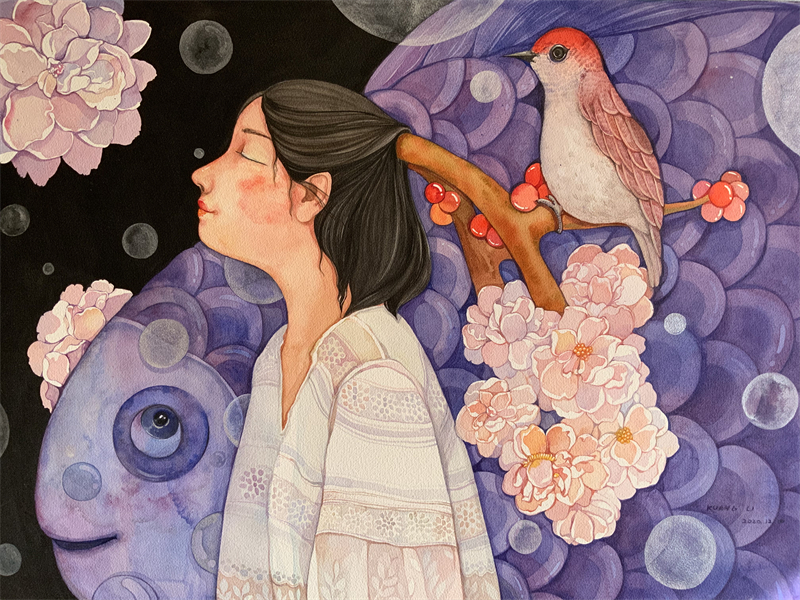
Harmony between Man and Nature
Introduction
The concept of "Harmony between Man and Nature" is deeply embedded in Chinese culture and philosophy, evident in various cultural practices, artworks, and historical sites. This theme reflects a profound respect for natural order and a commitment to living in balance with the environment, which can be traced back to ancient philosophies such as Taoism and Confucianism.
Key Aspects
-
Mutual Dependence: Humans rely on nature for resources, while nature benefits from human care and management. This mutual relationship highlights the need for sustainable practices that preserve both human well-being and ecological health.
-
Coexistence: The ideal state is one where humans and nature coexist peacefully, without conflict. This involves respecting natural laws and cycles, such as the seasons, to ensure a harmonious existence.
-
Philosophical Foundation: The theory that man is an integral part of nature first emerged during the Spring and Autumn and Warring States periods (770-221 BC). It suggests that human politics and ethics are directly reflected in nature, underscoring the interconnectedness of all living beings.
-
Practical Application: In modern times, this philosophy encourages policies that promote environmental conservation, sustainable development, and the restoration of ecosystems. It advocates for practices that enhance biodiversity, reduce pollution, and support renewable energy sources.
-
Global Perspective: While rooted in Chinese culture, the principle of harmony between man and nature resonates globally as a call for responsible stewardship of our planet's resources. It underscores the need for international cooperation to address global environmental challenges.
In essence, "Harmony between Man and Nature" is not just a philosophical ideal but a practical approach to living in a way that respects and nurtures the Earth's ecosystems, ensuring a sustainable future for all inhabitants of our planet.
Photo Gallery(2 pictures)CategoriesChinese PhilosophyTagTaoismYin and Yang and Five ElementsRelatedWest Lake Cultural Landscape of HangzhouThe Peach Blossom SpringHuang GongwangSuzhou Pan Gate Scenic SpotCatalogue1. Introduction2. Key Aspects3. - - - []








